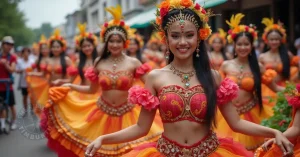
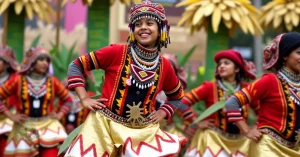
Your Ultimate Guide to June Festivals in the Philippines
If you think British weather is unpredictable, wait until you experience the sheer spectacle of Philippine festivals in June. These aren’t just quaint community gatherings; they’re full-blown, city-shaking fiestas with colour, chaos, and a celebratory spirit that makes a British tea party look like a quiet Tuesday.
Here, festivals blend history, spirituality, and a serious flair for throwing unforgettable street parties — minus the soggy cucumber sandwiches. In the Philippines, it’s less about the scones and more about the soul.
June’s Array of Festive Spectacles in the Philippines
Now, picture swapping your sleepy village fête for a celebration that engulfs entire towns in music, dance, and joyful devotion. That’s the magic of Philippine festivals in June. Whether in buzzing cities or sleepy rural corners, these festivals turn everyday places into living, breathing celebrations of heritage and heart.
From religious processions and dancing giants to fruit parades and muddy mayhem, June is when Filipino creativity and unity shine brightest — and everyone’s invited.
Affiliate Disclaimer (a.k.a. My Shameless Plea for Help):
Some of the links in this post are affiliate links. That means if you click on one and book something marvellous, I might earn a tiny commission—at no extra cost to you. Sadly, it’s not enough to fund a private villa in Boracay (or even a bottle of Duhat wine), but it does help keep this blog ticking along, the Wi-Fi paid, and me out of a corporate cubicle. So, if you do click—thank you, you absolute legend.
More Than a Party: Why June Festivals Matter
Sure, Philippine festivals in June are a blast — but they’re also a lifeline. Beneath the confetti and costumes lies a brilliant economic engine, pulling in tourists faster than a Harrods clearance sale. Towns transform into buzzing marketplaces where local artisans, street performers, and food vendors don’t just entertain — they showcase cultural traditions in a way that feels more like a masterclass than a sideshow.
These festivals help keep centuries-old customs alive — the kind you won’t find in a museum. And for solo travellers keen to experience the real Philippines, there’s no better time to dive in.
Planning to join the fun? My Trip Planning Tools page has everything I personally use to sniff out great flight deals, book top-rated accommodation, or discover one-of-a-kind tours and activities I wouldn’t have found on my own.
For those leaning more toward the quirky than the cushy, you’ll also find amazing hostel options if you like your travel social and affordable.
The Essence of Philippine Festivals
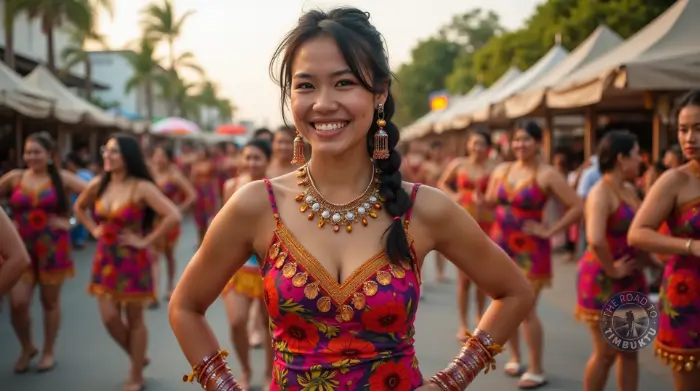
At their core, Philippine festivals in June aren’t just events on a calendar — they’re living, breathing reflections of what it means to be Filipino. They’re resilient, joyful, and defiantly spirited; the kind of communal energy that could teach even the Brits a thing or two about “keeping calm and carrying on” — but with more dancing and definitely better snacks.
Across this island nation, festivals form the collective heartbeat of the people. They’re not just celebrations; they’re cultural touchstones. A moment where heritage meets hope, where faith and fiesta collide in a blur of colour, rhythm, and shared laughter.
In the Philippines, June isn’t just another month — it’s proof that life is a festival. And frankly, no one celebrates it better.
Fancy joining the party? Before you go, pop over to my Trip Planning Tools — I’ve rounded up all the trusted platforms I use to find flights, places to stay, budget-friendly hostels, and unique tours that help turn an ordinary trip into something unforgettable.
Naligayan Festival – The Quintessential Philippine Fiesta (with Less Mud and More Meaning)

Introduction to the Naligayan Festival
Naligayan Festival — ever heard of it? Think Glastonbury, but ditch the mud and welly boots for sunshine, street parades, and music with actual meaning. Held each June in Agusan del Sur, it’s one of those Philippine festivals in June that flies under the radar yet punches well above its weight.
Tucked away in Mindanao, Agusan del Sur may not top many bucket lists (yet), but trust me, this place knows how to host a proper bash. And no, it’s not just an excuse to dust off the bunting — it’s a full-on cultural showcase.
A Humble Beginning (and a Hint of 90s Nostalgia)
Let’s rewind to 1993 — a simpler time when phones had cords and I was still figuring out how to tune in a VHS properly. That’s when the Naligayan Festival made its debut, marking the province’s foundation day with a proud declaration: “We’ve got culture, and we’re not afraid to parade it.”
Born from a desire to celebrate the community’s achievements, Naligayan has since grown into one of the most meaningful festivals in the country — a blend of history, heritage, and joyful noise.
Why It’s Worth the Trip
So why should this be on your June travel radar? Well, Naligayan isn’t just about pageantry. It’s the region’s way of saying: Look at us — we’re honouring our past while dancing into the future.
Expect a hearty helping of local pride, community unity, and cultural depth. For travellers looking to go beyond the usual tourist circuit, this is the sort of immersive experience that adds meaning to your adventure — and makes your photos way more interesting than yet another beach shot.
Planning your June adventure? Don’t miss my Trip Planning Tools — it’s where I find brilliant flights, places to stay, and unique cultural tours that help you dive deep into festivals like this one.
Traditions, Performances, and General Shenanigans
This isn’t your local village fête. Here, tradition is alive and kicking — literally, in the case of the indigenous dance competitions. There are colourful street parades, food fairs that’ll ruin your diet (in the best way), and sporting events that prove this community can party and play hard.
Whether you’re into cultural storytelling or just love the kind of event where everyone — from toddlers to titas — joins in, Naligayan Festival is an experience you won’t forget.
Fancy exploring more authentic local celebrations? You might also like “18 Top Festivals in the Philippines During May”, or pair this with a beach escape — like Things to Do in Boracay if you’re already in island-hopping mode.

The Festive Line-Up: Full-On Fiesta Mode
When it comes to activities, Naligayan Festival doesn’t hold back. It’s a proper cultural buffet.
🎉 Parades? Absolutely.
🎭 Traditional performances? All day long.
👑 A beauty pageant that could rival Miss Universe? Naturally.
Agusan del Sur goes all-in to ensure this June celebration leaves a mark — the kind that sticks in your memory like your first-ever bite of proper fish and chips… only a lot spicier.
Pro tip: Many visitors build their trip around this kind of event. For itinerary help, check out my handy Trip Planning Tools — perfect for scoring accommodation deals near the action or finding local tours to help you understand what you’re actually watching.
Who Shows Up?
The crowd? Think way beyond the village fête crowd sipping warm cider under a gazebo. Naligayan Festival in June attracts thousands — not just from the region, but from all over the Philippines and even the odd international traveller who stumbled across it and never looked back.
It’s loud, it’s proud, and it’s the kind of gathering that turns complete strangers into street-dancing mates by sundown.

Why This One’s Worth It
In short, Naligayan Festival isn’t just another entry in the long list of Philippine festivals in June — it’s a cultural firework. With its blend of solemn rituals, full-on celebration, and yes, food that may change your life, this is one fiesta you’ll be talking about long after your suntan fades.
It’s not just a festival — it’s a window into the beating heart of the Philippines.
If you’re planning a June trip, this is your chance to go beyond the usual island-hopping routine. Combine your cultural fix with some sun by exploring Island Escapes: Things to Do in Boracay or discover the charm of travelling solo in Southeast Asia with my Vietnam Solo Travel Over 50 Guide.
Pagdayao Festival: A Jewel Among Philippine Festivals in June

Pagdayao Festival – Tacloban’s Thank-You Note to the Universe
Pagdayao Festival in June, you say? It’s the kind of cultural celebration that makes you regret zoning out during geography lessons. Held every 11th to 12th of June in the lively city of Tacloban, this festival turns the streets into a kaleidoscope of colour, sound, and spirit — like a massive birthday party, but the guest of honour is tradition itself.
A Celebration Rooted in Gratitude
The Pagdayao Festival isn’t some trendy newcomer. It dates back to a time before Wi-Fi, hashtags, and overpriced airport lattes — when community and gratitude were the main events. Originally a local Thanksgiving celebration, it’s evolved into a full-on city-wide expression of cultural pride and shared heritage.
Every June, Tacloban pays tribute to its past and the blessings of the present, all while throwing a bash that blends solemnity with street dancing. Not a bad mix, really.
✈️ Planning to be in the Philippines in June? Before booking anything, have a look at my Trip Planning Tools — it’s how I find cheap flights, comfortable accommodation, and incredible local tours that let you actually experience festivals like this one, not just snap a few photos from the sidelines.

Culture with a Beat
But what really makes Pagdayao sing? It’s a cultural magnifying glass, zooming in on the deep-rooted faith and traditions of the region. Religious processions? Check. Historical tributes? Check. Food? Absolutely — and probably something you’ll end up craving for the next decade.
It’s less “tourist attraction” and more “living tradition,” which is exactly what makes it special for solo travellers craving authenticity over another beach bar playlist.
Want more local vibes? You might enjoy my post on Thailand’s Best Festivals or for a bit of weird and wonderful, there’s always Weird Spanish Festivals — because culture comes in all flavours.
A Festival of Faith, Laughter, and Food-Induced Happiness
From sunrise to starlight, the Pagdayao Festival is a whirlwind of religious rituals, cultural performances, and communal gatherings. Imagine Christmas — but no shopping stress, no awkward family politics, and way more dancing. That’s the spirit of Pagdayao.
Whether you’re religious or just here for the pancit, the festival wraps you up in warmth and togetherness. It’s the kind of experience that makes you forget about Wi-Fi for a bit… and that’s saying something.
💸 Travelling in June and want to save a bit on flights? You’ll love How to Find Cheap Flights Over 50: Travel Hacks That Work — because the only thing better than a great festival is getting there without paying full price.

Culinary Delights: A Feast for the Senses
And then there’s the food. Oh, the food. It’s not just part of the festival — it’s practically a headline act. Pagdayao Festival offers a culinary deep-dive into Tacloban’s local heritage, with traditional dishes that’ll have your tastebuds doing a victory lap.
Think of it as a food festival within a festival, where every bite tells a story. You’ll leave with a full belly, a happy heart, and possibly a few new cravings that won’t be satisfied by anything outside the Philippines.
Foodie with a side of wanderlust? Check out How to Find Cheap Flights Over 50 to put more money toward trying all the street snacks — guilt-free.
Dressed to Impress (and Express)
The costumes? Absolutely stunning. Festival attire is a riot of colour and texture — no beige travel trousers here, thank you. Each ensemble tells part of Tacloban’s story, woven with cultural pride and worn with purpose.
It’s not just dressing up — it’s history made wearable, a walking celebration of identity and tradition.

Pagdayao in a Nutshell
To sum it up, Pagdayao Festival isn’t just a date on the calendar. It’s a living, breathing celebration of community, culture, and connection. A standout among all Philippine festivals in June, it captures the very best of what local celebrations should be — joyful, heartfelt, and totally unforgettable.
Whether you’re there for the rituals, the rhythm, or the ridiculously good food, Pagdayao wraps you in the warm embrace of Tacloban’s soul.
Want to experience it all without overpaying on travel? My Trip Planning Tools include links to trusted platforms I personally use to book accommodation, find guided experiences, and grab cheap flights — including the ones that don’t cost the same as your rent.
Araw ng Cotabato Festival: A Highlight of Philippine Festivals in June

Araw ng Cotabato Festival – Mindanao’s Week-Long Cultural Extravaganza
Tucked away in the vibrant heart of Mindanao, the Araw ng Cotabato Festival doesn’t just paint the town red — it repaints the whole cultural canvas. Held every year from June 12th to 20th, it’s Cotabato City’s way of swinging open the doors and shouting, “Come on in! We’ve got parades, performances, and more heritage than your average history textbook.”
Forget garden parties — this is a full-blown cultural takeover.
A Look Back at Cotabato’s Big Bash
Historically, Araw ng Cotabato is far more than an excuse for a week-long street party. It commemorates the city’s foundation day, but with more pizzazz than most royal weddings — and probably fewer uncomfortable hats.
What began as a humble civic occasion has since evolved into a headline act on the Philippine festivals in June calendar. These days, it attracts locals and travellers alike, all keen to join a celebration that honours the city’s past, present, and ambitions for the future.
🎒Planning a June trip to Mindanao? Before you book, check out my Trip Planning Tools — I use them to uncover the best flight deals, affordable places to stay, and unique local tours that let you see the real Cotabato — not just the tourist version.

But What’s All the Fuss About?
Well, Araw ng Cotabato is more than just cake and confetti. It’s the city’s grand tribute to itself — a celebration of identity, achievement, and cultural resilience. It’s a time for locals to look back at how far they’ve come… and then promptly throw a party to celebrate the now.
For visitors, it’s a front-row seat to the beating heart of Cotabato — a mix of tradition, pride, and that uniquely Filipino ability to turn any milestone into a joyful, music-filled street affair.
A Tapestry of Culture and Celebration
Tradition is at the core of this festival, but it doesn’t take itself too seriously. Expect a brilliant mix of religious observances, ethnic dances, and contemporary cultural exhibitions that highlight the city’s beautifully diverse identity.
Cotabato’s cultural richness is on full display — a testament to its layered past and forward-thinking present. It’s not just about looking back. It’s about saying: “We’ve got history, but we’ve also got plans — and probably a dance troupe or two to prove it.”
If you’re into culture-packed travel, don’t miss Thailand’s Best Festivals for another Southeast Asian fiesta fix, or have a look at Solo Travel Over 50: Discover the Benefits — especially if you’re eyeing Cotabato as a solo adventure.

The Sound, Style, and Soul of Cotabato
What truly brings Araw ng Cotabato to life is the beat. Music and dance aren’t just part of the programme — they are the programme. With every drumbeat and choreographed step, Cotabato pulses with energy. It’s more than entertainment; it’s an expression of identity, turning every street corner into a mini concert and every spectator into a backup dancer (willing or not).
Then there’s the attire. Traditional garments transform the city into a runway of cultural pride — each design reflecting the region’s diversity, heritage, and love of a good celebration. The costumes don’t whisper history; they shout it — in the most stylish way possible.
And it’s not just the locals who show up. Visitors pour in from across the Philippines and beyond, proving this is no small-town gathering. If you’re in the country in June, skipping Araw ng Cotabato would be like visiting Paris and ignoring the Eiffel Tower — but noisier and with better street snacks.
Why It Matters (Beyond the Parades)
Sure, it’s a party — but this festival has impact. Araw ng Cotabato boosts tourism, strengthens cultural identity, and brings communities together. It helps preserve centuries-old traditions while creating space for new ones. Local businesses thrive, community spirit soars, and heritage takes centre stage — right where it belongs.
Looking to experience it without blowing your budget? My go-to tools are over at the Trip Planning Tools page — with links to cheap flights, brilliant hotel deals, and unforgettable local tours that put you right in the heart of the action.
In a Nutshell
If you’re looking for a festival that’s equal parts cultural pride, celebration, and community connection, this is it. Araw ng Cotabato is a highlight among all Philippine festivals in June — an immersive, energetic tribute to the spirit of Mindanao.
Whether you’re there for the dance, the heritage, or simply the joy of being part of something real, Cotabato’s week-long celebration will leave you full — in the cultural sense and the culinary one.
Like your travels festive but frugal? How to Find Cheap Flights Over 50 is packed with hacks for getting there without rinsing your savings.
Parada ng mga Lechon: The Quintessential June Celebration in the Philippines

Parada ng mga Lechon – Where Pigs Parade and Diets Die
Every 24th of June, the normally sleepy town of Balayan in Batangas explodes into a deliciously bizarre spectacle known as Parada ng mga Lechon — or, more casually, the Parade of Roast Pigs. It’s possibly the only festival where the centrepieces are crispy, golden, and wearing sunglasses. And no, that’s not a metaphor.
If you’re a vegetarian, you’ve been warned — this is not your safe space.
A Porky Tribute with Holy Origins
While no one’s quite sure which genius first decided to march lechons (roast pigs) down the street dressed like drag queens on a pub crawl, the Parada ng mga Lechon has become a gastronomic celebration rooted in religious tradition. It honours Saint John the Baptist’s feast day, blending solemn Catholic rituals with a cheeky sense of culinary showmanship.
It’s part blessing, part water fight, part pork parade — and somehow, it works brilliantly.
Travelling for festivals like this one? Make your planning easier with my Trip Planning Tools. I use them to book budget flights, find charming local stays, and sniff out unique food tours that go well beyond the tourist trail.

Roast, Dress, Parade, Repeat
What sets this festival apart (besides the literal parading of pigs) is the creativity. Each lechon is dressed in costume — some as cartoon characters, others as political figures, and occasionally even as superheroes. It’s weird. Wonderful. It’s basically a cultural roast — in every sense.
Locals gather in the streets to admire the pigs, splash each other with holy water (or just regular water with mischievous intent), and then, of course, eat. Because nothing brings people together like a shared roast dinner… followed by another roast dinner.
Why It’s Worth a Visit
Beyond the spectacle, Parada ng mga Lechon is a brilliant example of how Filipinos merge faith, food, and fun into something uniquely joyful. It’s about giving thanks, sharing abundance, and showing off your culinary skills with a bit of flair — because if you’re going to roast a pig, why not add a tiara?
Among all Philippine festivals in June, this one stands out for its humour, hospitality, and sheer what-the-heck factor.
Want to experience it without overpaying on transport? Check out How to Find Cheap Flights Over 50 and save those pesos for an extra serving of crispy skin.
A Feast for the Senses (and the Bold of Appetite)
Sure, there’s a parade of pigs — but Parada ng mga Lechon isn’t a one-trick pony (or pig). The day bursts with activities steeped in symbolism and joy, from water-dousing rituals (in honour of Saint John the Baptist’s baptismal legacy) to a highly competitive “Best-Dressed Lechon” contest. And yes, it’s exactly as wonderfully absurd as it sounds.
Cultural exhibitions, religious processions, and unfiltered community fun make this one of the most unique Philippine festivals in June — a true feast in every sense.

A Culinary Carnival
Food is the beating heart of this festival — and not just any food. Lechon is the undisputed star, but it’s backed by a full ensemble of Batangas’ traditional dishes. Think local delicacies passed down through generations, shared proudly on tables that groan with abundance.
For foodies and curious eaters alike, this is your chance to sample the soul of Batangas — one crunchy, salty bite at a time.
Want to skip the tourist traps and get straight to the flavour? Check out my Trip Planning Tools — it’s how I find food-focused tours on platforms like GetYourGuide and Viator that go beyond the guidebook.
Music, Movement, and the Joy of It All
No Filipino festival is complete without music and dance, and Balayan brings both in generous doses. Traditional instruments and folk beats echo through the streets, while dancers keep the rhythm alive with every step. It’s a full sensory takeover — the kind of celebration you can’t just watch; you have to feel.
Dressed to Impress (Humans and Hogs Alike)

Of course, the lechons steal the spotlight in their wildly creative costumes — but the human participants give them a run for their money. Locals don traditional Filipino attire, showcasing cultural pride with every bright fabric, headpiece, and accessory. It’s a parade, a performance, and a proud display of heritage all at once.
Who Shows Up?
This isn’t just a quaint provincial affair. Parada ng mga Lechon draws curious travellers and culture hunters from across the country — and the occasional wide-eyed foreigner who wandered in and stayed for the pork. It’s grown into a must-see among Philippine festivals in June, thanks to its joyful absurdity and genuine community spirit.
Planning to visit on a budget? Read How to Find Cheap Flights Over 50 and save your pesos for a second plate of pork.
Why It Deserves a Spot on Your Travel Radar
Parada ng mga Lechon is one of those rare festivals that hits every note: food, faith, community, and a touch of glorious weirdness. It’s playful but profound, light-hearted yet steeped in tradition — a celebration of Filipino culture in all its messy, musical, mouthwatering glory.
So if you’re craving something wildly unique for your June adventure, look no further. This is the kind of party your travel stories were made for.
Pintados-Kasadyaan Festival: A Vibrant Tapestry of Culture and History
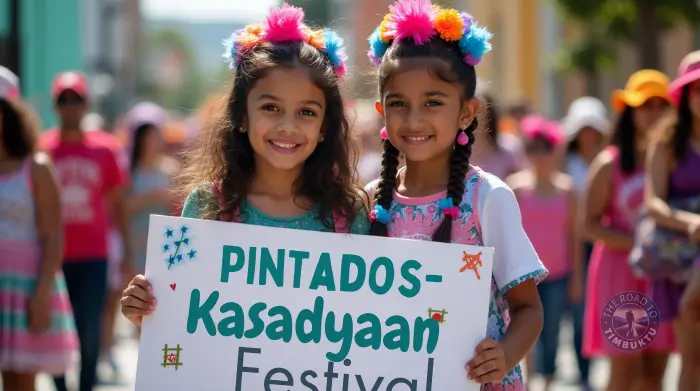
Unveiling the Festive Spirit of Pintados-Kasadyaan
Every June 29th, the streets of Tacloban, Leyte, come alive with rhythm, colour, and a fair amount of body paint. Welcome to the Pintados-Kasadyaan Festival — a cultural juggernaut that proves history lessons don’t belong in dusty books, but on painted skin and swaying hips.
This isn’t just a celebration; it’s a full-blown visual narrative. A street performance that honours the warrior spirit of the region’s pre-colonial ancestors with flair, feathers, and just a hint of face glitter.
A Journey Through Time (With Drums and Tattoos)
Long before smartphones and social media filters, warriors in Leyte wore their stories in ink — bold tattoos that represented courage, achievements, and community standing. The Pintados (from the Spanish word for “painted ones”) were legendary not just for their fierce spirit, but their decorated skin that told tales more vividly than any museum plaque.
The festival revives these ancestral traditions with theatrical street performances, rhythmic tribal music, and dance routines so powerful they might shake the cobblestones loose.
Interested in festivals with deep roots? Make Pintados part of a cultural loop that includes Pagdayao Festival in Tacloban, or pair it with a post-celebration escape — perhaps Boracay for a bit of well-earned beach recovery.
Trust me: street festivals hit different when your travel plans are sorted.
✈️ Save your energy for dancing, not stressing. My top picks are right here. 👇

The Essence of Celebration
Why all the fuss? It’s not just for the spectacle. The festival is a vibrant homage to the island’s indigenous people and their rich cultural heritage. It’s a way to keep the spirit of the ancestors alive, dancing through the generations.
Traditions Painted and Danced
The key customs of the festival include the painting of bodies to mimic the tattoos of ancient warriors and spirited dance performances. It’s like the community decided that if you’re going to remember the past, you might as well make it a party.
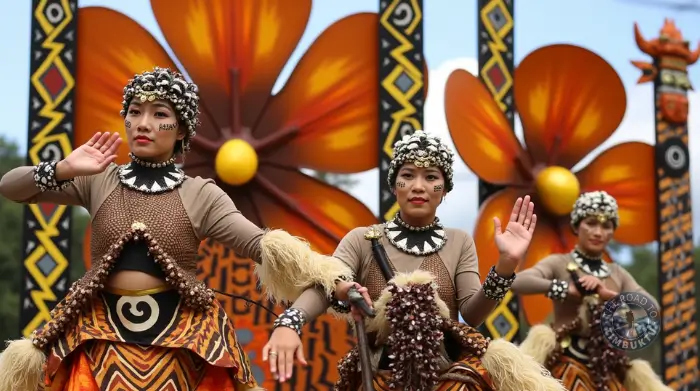
Pintados-Kasadyaan: Where Culture Becomes a Live Performance
If the Pintados-Kasadyaan Festival proves anything, it’s that history doesn’t have to be quiet. In fact, it rarely is — not when there are drums pounding, costumes swirling, and entire streets turning into a stage.
This isn’t just another stop on the list of Philippine festivals in June — it’s a full-blown symphony of ancestral pride, artistic performance, and community celebration.
Food That Speaks Volumes
Of course, no Filipino celebration is complete without a feast, and Pintados does not disappoint. The streets double as smorgasbords, filled with Leyte’s traditional dishes — recipes handed down through generations, now served up alongside the scent of incense and the rhythm of tribal beats.
Each bite is more than just flavour — it’s a tribute to survival, adaptation, and joy.
Want to dig deeper into Filipino food culture? Book a few culinary tours through my go-to platforms on the Trip Planning Tools page — including foodie-friendly finds on Viator and GetYourGuide.
The Rhythm of Ancestry
Music and dance are the soul of the festival, with traditional and contemporary performances blending seamlessly. It’s a way for the community to step back in time while keeping both feet firmly in the present.
Costumes with a Pulse

Then there are the costumes. Intricate, vibrant, and painstakingly made, each one tells a story — of ancestry, identity, and resilience. The streets become a walking museum, only much louder, more fabulous, and far more likely to include someone doing backflips.
Travelling solo for festivals? You might enjoy my Thailand Solo Travel Over 50 Guide, or dive into the quirkiest fiestas on offer in my roundup of Weird Spanish Festivals.
A Gathering That Unites Generations (and Jet-Setters)
The Pintados-Kasadyaan Festival draws a vibrant crowd — from local families proudly honouring their roots to wide-eyed travellers lucky enough to stumble into the spectacle. It’s not just a regional tradition; it’s a community-wide invitation that says, “Come see who we are — and dance with us while you’re at it.”
Beyond the Festivities
The Pintados-Kasadyaan Festival leaves a lasting impact on Tacloban, boosting tourism, fostering community pride, and preserving the rich tapestry of Leyte’s cultural heritage. It’s a testament to the power of culture in uniting people and celebrating history.
Celebrating Pintados-Kasadyaan
To sum it up, Pintados-Kasadyaan is more than just a festival — it’s a living museum of Tacloban’s spirit, strength, and creativity. Among all Philippine festivals in June, this one stands out not only for its spectacle, but for the heart beating beneath the body paint.
It’s a celebration of history that refuses to sit quietly. Instead, it sings, dances, and invites the whole world to join in.
✈️ Planning to experience it for yourself? My Trip Planning Tools can help you find affordable flights, book places to stay, and discover one-of-a-kind tours that bring festivals like this to life.
Ormoc City’s Piña Festival: A June Jubilee

Piña Festival – Ormoc’s Juicy Tribute to Culture, Community, and… Fruit
Every 23rd of June, Ormoc City bursts into celebration with the Piña Festival, a wildly vibrant event that’s equal parts tropical fiesta and cultural showcase. If ever there were a festival that could shout “We love pineapples!” and “Let’s dance about it!” in the same breath — it’s this one.
And honestly, who needs confetti when you’ve got fruit?
A Slice of History, Served with Local Pride
The festival first took root as a tribute to Ormoc’s thriving pineapple industry — and yes, this region is serious about its fruit. Over time, what began as an agricultural nod has ripened into a full-blown celebration of heritage, resilience, and juicy communal pride.
Today, it’s not just about showing off the harvest — it’s about honouring the people who make Ormoc the sweet success it is.
More Than Just Fruit
Sure, there are pineapples everywhere — on floats, in dances, possibly even in the hairstyles — but the Piña Festival is really about the deeper stuff. It’s a spirited celebration of Ormoc’s identity, wrapped in bright costumes, street rhythms, and good old-fashioned small-town charm.
🍍 Thinking of attending? My Trip Planning Tools can help you score affordable accommodation, regional flights, and local tours that’ll give you more than just a front-row seat — they’ll help you understand what the pineapple fuss is really about.
Dancing, Drumming, and Ritual Showdowns
As with most Philippine festivals in June, the dancing is front and centre — and in Ormoc, it’s electric. Performers in pineapple-inspired costumes take over the streets in choreographed brilliance, telling stories of harvest, survival, and identity through every step.
The highlight? The ritual showdown — a high-energy battle of performances that mixes folk storytelling with fierce local pride. It’s like a dance-off, but culturally enriching and slightly more citrusy.
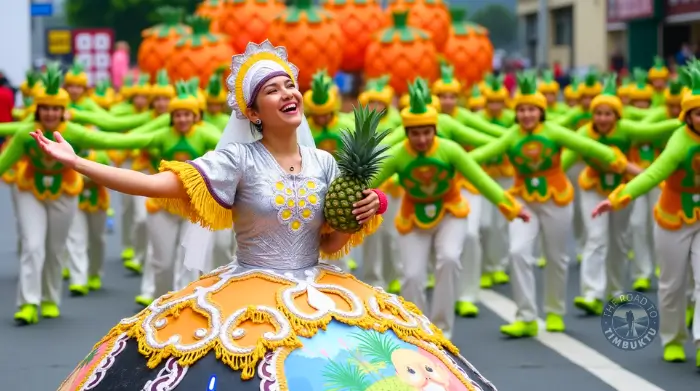
The Heartbeat of the Piña Festival
Ormoc City doesn’t do quiet festivals. During the Piña Festival, the streets pulse with parades, dance-offs, music, and competitions that turn the entire city into a live stage. It’s a celebration of identity, agriculture, and community pride — and everyone’s invited to take part.
Locals, tourists, kids, lolo and lola — they’re all out there, cheering, dancing, eating, and soaking up the spirit of the season.
A Feast of Flavour and Pride
At the centre of it all? Food. Glorious, pineapple-themed everything. From savoury street snacks to sweets that would make a dentist wince, Ormoc uses the Piña Festival to show just how versatile one fruit can be.
Every bite is a taste of the city’s agricultural soul — a sweet reward for a community that’s proud of its roots (and its rumoured pineapple wine).
🍽️ Want to build a trip around food and fun? Check out Trip Planning Tools for the best accommodation, tours, and flight deals I personally use to keep travel affordable — and delicious.
Dressing the Part
And let’s not ignore the fashion. Participants don costumes that are equal parts traditional and tropical — with pineapple-inspired designs, bright textiles, and details that scream cultural pride louder than a karaoke machine at midnight.
It’s history stitched into fabric and worn with pride — making the Piña Festival not just something to watch, but something to feel.
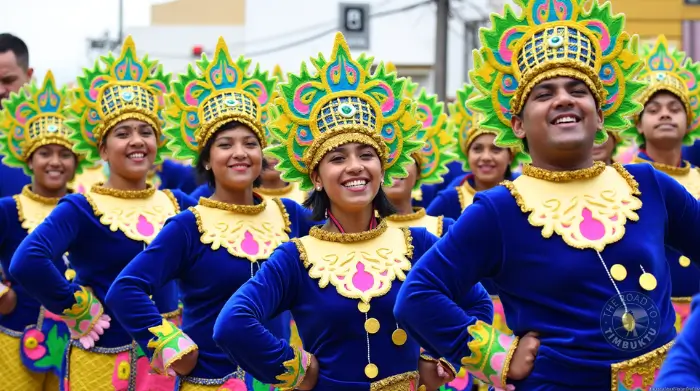
Gathering the Masses
Every year, the Piña Festival draws a crowd as bright and spirited as the event itself. Locals show up in full force, proudly honouring their heritage, while travellers from across the country — and beyond — flock to Ormoc for a taste of Filipino hospitality, served with a side of grilled pineapple.
It’s not just a local gathering — it’s a citywide celebration with open arms and dancing feet.
More Than Just Pineapple Obsession
Yes, there are pineapples everywhere. But beneath the fruity flair lies a deeper purpose. The festival boosts local tourism, ignites economic activity, and strengthens community pride in a way that lasts long after the music stops.
It’s proof that culture — especially when dressed up and dancing — can bring people together in the most unexpected ways.
✈️ Want to be part of it next June? Plan your journey with my Trip Planning Tools — including flight hacks, cosy places to stay, and one-of-a-kind tours to get you into the heart of the celebration.

Summing Up the Piña Festival
In short, Ormoc’s Piña Festival is more than a quirky pineapple parade. It’s a proud celebration of agricultural heritage, community spirit, and Filipino creativity, rolled into a day of vibrant costumes, street dancing, and cultural storytelling.
Among all the Philippine festivals in June, this one serves up something especially sweet — a taste of the region’s heart, history, and hospitality. If you’re after a festival that mixes flavour with flair, you’ve found it.
Pinangat Festival: A Culinary Spectacle

Pinangat Festival – Where Heritage Is Wrapped in Leaves and Served with a Smile
In the lush, green town of Camalig, Albay, where the iconic Mayon Volcano looms dramatically in the background (looking photogenic as ever), the Pinangat Festival takes over every year between June 10th and 24th. And let’s be honest — when a town celebrates its food with this much flair, you know you’re in for something special.
A Dish with Depth (and Gabi Leaves)
The festival pays homage to Pinangat, a beloved local dish made of gabi (taro) leaves, coconut milk, and a blend of spices that have likely been whispered from grandmother to grandchild for generations. It’s a recipe so tied to the region’s identity that Camalig might as well trademark it.
Celebrating Pinangat isn’t just about the taste — it’s about honouring culinary tradition, community history, and the sacred joy of a slow-cooked meal.
Where Food Is Centre Stage
At its core, this is a festival that says, “Our food is amazing, and we’re going to throw a parade about it.” The celebration blends culinary passion with cultural performance, turning streets into a stage and kitchens into arenas.
There are cooking contests, pinangat-eating challenges, and enough local delicacies to leave even the hungriest food blogger in a satisfied stupor.
Planning your own foodie pilgrimage? Swing by my Trip Planning Tools — I’ve gathered the best links for flights, cosy accommodations, and food-focused tours and experiences to help you dig in like a local.

Culture, Costumes, and Community Spirit
Beyond the food, the Pinangat Festival is a full sensory experience. Colourful parades, traditional dances, and live performances fill the streets with energy — all with a distinctly local rhythm that makes even the most stuffed spectator tap a foot.
Festivalgoers don vibrant costumes, each detail inspired by the town’s rich history and agricultural pride. Think of it as a fashion show that tells stories — and smells faintly of coconut.
A Festival That Fills More Than Stomachs
The Pinangat Festival isn’t just about stuffing faces (though you’ll do plenty of that). It brings in tourists, supports local businesses, and helps preserve Camalig’s unique cultural identity. In a world of fast food and fast travel, this festival reminds you that some of the best things still take time — especially when slow-cooked in coconut milk.
Travelling solo and looking for culture through cuisine? Check out my Solo Travel Over 50 Guide to Vietnam, or pair this with How to Find Cheap Flights Over 50 — because the more you save on flights, the more Pinangat you can eat.
Wrapping Up (Like a Proper Pinangat)
In a month full of fiestas, the Pinangat Festival stands out for its flavours, warmth, and irresistible charm. Among all Philippine festivals in June, this is the one that wraps up food, culture, and community spirit into one beautiful leaf bundle — and then serves it with rice and a smile.
If you’re looking for a festival that tastes as good as it looks, Camalig’s celebration of Pinangat is the perfect blend of tradition, hospitality, and culinary flair.
Ginubat Festival: A June Jubilee Like No Other

Ginubat Festival – Gubat’s Splashy Salute to Resilience and Revelry
Every June 11th–12th, the seaside town of Gubat, Sorsogon, bursts into technicolour life with the Ginubat Festival. It’s loud, proud, and wonderfully spicy — much like the Bicolano dishes served up during the festivities.
This isn’t just a beachside gathering — it’s a spirited tribute to resilience, culture, and community. Also, an excellent excuse to dance in the streets and show off an unhealthy relationship with chilli.
Surviving the Storm (Literally)
Unlike most fiestas that honour saints or harvests, Ginubat Festival began as a celebration of the town’s triumph over a particularly cranky monsoon. Because when your whole town survives a natural disaster with spirit intact, you deserve a party — and probably a second helping of laing.
It’s now a full-blown cultural carnival, paying homage to the strength and unity of Gubat’s people.

Celebrating with Style (and a Few Coconuts)
Signature traditions include the legendary “Dance of the Waves”, where performers mimic the sea’s ebb and flow — sort of like synchronised swimming, but on dry land and with more coconuts. There’s also a lively float parade that could give Macy’s a run for its money, just with less helium and more hot sauce.
From Street Stage to Spice Station
The entire town becomes a stage during Ginubat Festival. Dance-offs erupt in the streets, parades spotlight local legends, and music pumps from every corner — from ancient folk rhythms to modern pop with a Bicolano twist.
Of course, there’s food. Glorious, spicy, soul-warming food. Expect to sample everything from fiery laing to delicacies so local they barely exist outside the postcode.
🎒Planning a trip to taste the real Philippines? My Trip Planning Tools are filled with hand-picked platforms I use to find budget flights, authentic stays, and local tours that take you deeper than a brochure ever could.

Culture, Costume, and Community
What makes Ginubat feel so special is how seamlessly it mixes the traditional with the modern. Expect bold, expressive costumes reflecting Gubat’s lush landscapes and fishing heritage — part fashion show, part cultural time machine.
And the people? From grandparents to toddlers, everyone’s involved — singing, dancing, feasting, and waving at anyone who looks vaguely like a tourist.
Travelling solo in June? This one’s a perfect mix of welcoming locals and offbeat experiences. You might also enjoy my Solo Travel Over 50 Guide to Thailand — complete with hidden gems and spicy travel tips.
More Than a Festival
Sure, there’s dancing and dining, but Ginubat Festival also gives a genuine boost to Gubat’s local economy. It puts the town on the cultural map, fosters pride, and creates a deeper bond between locals — and curious visitors who’ve wandered in for the food and stayed for the vibes.
Wrapping Up Ginubat (Not in Gabi Leaves, Sadly)
In a month overflowing with fiestas, the Ginubat Festival stands out as a joyful celebration of survival, unity, and soul. It’s where nature’s power meets human spirit — and both end up doing the cha-cha together.
If you’re looking for a festival that blends meaningful history with flaming-hot fun, Gubat’s got your number.
Pinyasan Festival: The Sweetest June Celebration
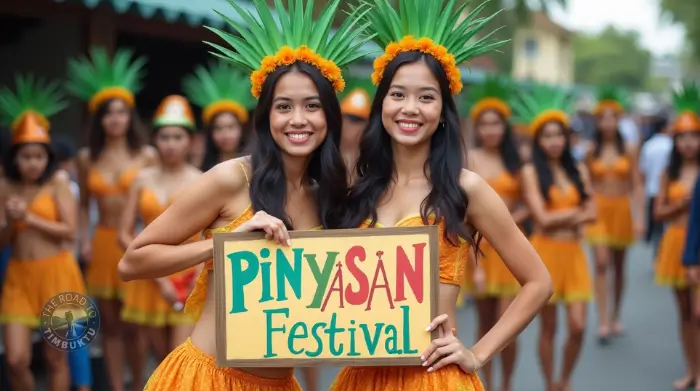
Pinyasan Festival – A Juicy Tribute to Daet’s Crowned Treasure
Every June 15th to 24th, the streets of Daet, Camarines Norte, erupt in a riot of pineapple pride. Welcome to the Pinyasan Festival, where fruit is fashion, floats are fruity, and Daet proudly claims the title of pineapple capital of the Philippines — no contest.
If you’ve ever wanted to celebrate a fruit that wears a crown, this is your moment.
A Slice of History (and a Whole Lot of Pineapple)
The Pinyasan Festival began as a humble homage to Daet’s booming pineapple industry, celebrating the region’s sweet, spiky export that’s fed families and put Daet on the agricultural map.
Over the years, it’s evolved into a full-blown fiesta — blending economic gratitude, cultural expression, and a deep love of anything that vaguely resembles a pineapple.
Why Pineapples Deserve a Party
This isn’t just about fruit — it’s about community pride. Daet’s pineapples are renowned for their sweetness, and the town celebrates that with gusto. The festival intertwines tradition, agriculture, and that unique Filipino ability to turn anything into a party worth travelling for.
🍍Planning your trip? Use my Trip Planning Tools to find affordable flights, nearby stays, and quirky local experiences to really taste the local flavour.
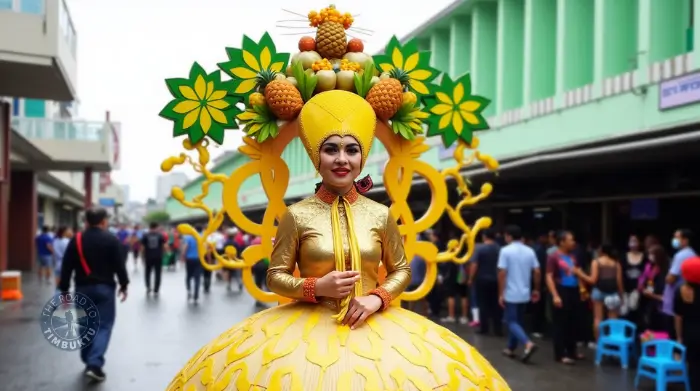
Parades, Pineapples, and Plenty of Panache
Expect floats shaped like pineapples, dancers in citrus-coloured costumes, and carving contests that turn humble fruit into works of art. The whole town gets involved — it’s colourful, kitschy, and completely brilliant.
A Feast of Flavours (All Pineapple, All Day)
This festival isn’t just a treat for the eyes. The food is pineapple-infused, pineapple-topped, and occasionally pineapple-obsessed. From savoury dishes to tropical desserts, it’s a full-on culinary tour of Daet’s finest fruit.
And yes, there is pineapple wine. You’re welcome.
Foodie tip: If you’re planning to eat your way through the Philippines, pair this trip with a festival like Pinangat in Camalig or Parada ng mga Lechon for a well-balanced diet of pork, spice, and sweet.
Dancing in the Tropics
The streets come alive with tropical beats and traditional performances, blending folk moves with modern flair. The music is upbeat, the mood is infectious, and even if you can’t dance, you’ll probably try anyway.
Fashionably Fruity
Festivalgoers wear everything from traditional Filipino attire to pineapple-themed couture that would make a fruit salad blush. These aren’t just costumes — they’re wearable odes to agricultural pride, stitched with stories, sequins, and a hint of humour.

From Local Fiesta to National Attraction
Once a small town celebration, Pinyasan Festival now draws visitors from across the Philippines and abroad. It’s a magnet for culture lovers, photographers, and anyone who believes that food and fun are best enjoyed with flair.
Solo traveller on the hunt for unique experiences? Check out How to Travel Solo in Vietnam Over 50 for more offbeat, welcoming destinations like Daet.
Why This One Matters
More than just a fruit party, Pinyasan Festival boosts Daet’s local economy, nurtures community pride, and cements the town as a must-visit for anyone exploring Philippine festivals in June. It’s proof that even humble harvests can make headlines — and dance their way into your heart (and stomach).
Wrapping Up Pinyasan (Preferably in a Tart)
In short, Pinyasan Festival is the sweetest thing you can do in June without getting sunburned. A glorious blend of culture, cuisine, and community, it reminds us that sometimes the best way to celebrate life is with a fruit that wears a crown and deserves a parade.
Tabak Festival: A Toast to Tradition and Triumph

Tabak Festival – Blades, Beats, and Bicolano Brilliance
Every June 24th, Tabaco City, Albay, comes alive under the dramatic gaze of Mayon Volcano, hosting one of the Philippines’ most spirited and sharp-witted celebrations: the Tabak Festival. It’s where locals prove that living beside a potentially explosive mountain only adds zest to life — and, evidently, gives you a reason to choreograph sword dances.
A Slice of History (Literally)
The word tabak means sword — and this festival celebrates the city’s namesake with flair, fire, and just a touch of danger. Rooted in the city’s founding and its historic resilience, Tabak Festival is an ode to strength, survival, and unity — served with a ceremonial swing of a blade.
🎒 Curious about other heritage festivals? Don’t miss Ginubat Festival in Sorsogon, or follow it up with Camalig’s Pinangat Festival for a slightly less sharp, but equally rich experience.
Dancing With Blades (Responsibly)
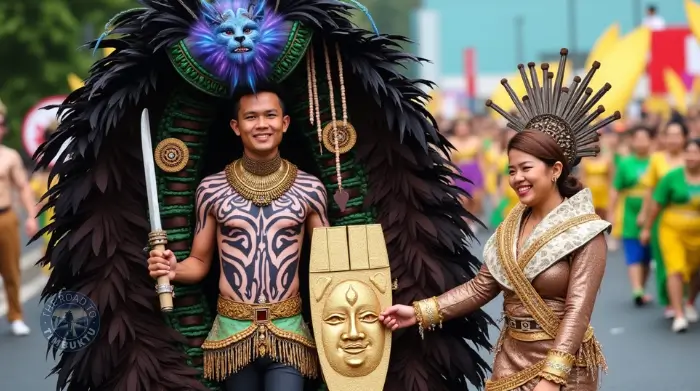
Signature traditions include the sword-wielding dance, a surprisingly graceful spectacle that combines athleticism with storytelling. Locals also craft miniature tabaks — a tourist-friendly keepsake that’s far more legal to pack than an actual machete.
There’s even a tabak-inspired parade, complete with dancers, drummers, and floats that fuse tradition with theatrical creativity — often with a bit of smoke, a dash of pyrotechnics, and a whole lot of flair.

A Taste of Tabaco
Naturally, no Philippine festival in June is complete without a culinary highlight. Local dishes, influenced by fertile volcanic soil and generations of Bicolano flavour, take centre stage — from coconut-laden mains to spicy street food that could singe your eyebrows (in the best way).
Hungry for culture and cuisine? Browse my Trip Planning Tools for the best links to accommodation deals, authentic food tours, and budget-friendly flights to Bicol.
Rhythm, Tradition, and the Power of Pageantry
Music and movement form the backbone of Tabak Festival, with performances that blend traditional rhythms and contemporary swagger. It’s the kind of soundscape that gets under your skin — and possibly into your TikTok drafts.
Festival attire pays tribute to Tabaco’s history — with costumes often adorned in blade motifs, warrior-style accessories, and vibrant fabrics that reflect both beauty and bravery.
Not Just a Local Affair
Once a modest town celebration, Tabak Festival now draws thousands from around the Philippines — and even international visitors keen to experience a fiesta that’s literally cutting-edge. It’s a testament to how culture, community pride, and a strong brand identity (sword included) can turn any town into a must-visit destination.
Beyond the Parade
The festival gives a major boost to local tourism, fuels small businesses, and fortifies community spirit. In a region known for its fiery landscapes, Tabaco shows that its people are just as bold and brilliant.
Summing Up the Tabak Festival
In a calendar packed with colourful fiestas, the Tabak Festival carves its own path — equal parts heritage, pageantry, and culinary indulgence. Among all Philippine festivals in June, it stands out as a celebration of strength, identity, and creativity.
If you’re looking for a festival that’s got heart, heat, and a few sword tricks — Tabaco City is calling.
San Juan sa Hibok-Hibok Festival: A Fusion of Faith and Fire

San Juan sa Hibok-Hibok – A Festival of Fire, Faith, and Camiguin Charm
Every June 24th, the lush island of Camiguin throws a party like no other — where volcanoes, waves, and spirituality meet in glorious, splashy unison. The San Juan sa Hibok-Hibok Festival is proof that yes, even nature’s most explosive forces can throw a cracking celebration.
Where the Volcano Meets the Waves
The festival honours both Saint John the Baptist and Mount Hibok-Hibok, the island’s famously fiery guardian. It’s a uniquely Camiguin cocktail of faith and geology, featuring ritual water dousing, volcanic treks, and enough food and dancing to make you forget you just climbed a mountain in 30-degree heat.
Why It’s Celebrated (Other Than Because It’s Brilliant)
At its heart, the festival is a spiritual cleansing, a celebration of resilience and rebirth, and a joyful nod to Camiguin’s enduring spirit. Water symbolises renewal, while the volcano? Well, that’s just good old-fashioned drama.
Want more off-the-beaten-path festivals? Add Ginubat in Gubat, Sorsogon or Tabak Festival in Tabaco City to your June calendar — or build your itinerary using my Trip Planning Tools.
Splash, Hike, Repeat
Traditions include playful water fights — imagine Songkran, but with more coconut trees — and a pilgrimage up Mount Hibok-Hibok, because clearly, nothing says devotion like a steep uphill climb. The result? A spiritual detox with scenic views and leg cramps.

Island-Wide Revelry
Camiguin goes full-throttle with parades, cultural showcases, and spontaneous dancing by the sea. It’s one of the few places you’ll watch a float pass by while still dripping from a holy splash and halfway through a spicy lunch.
The Island on a Plate
The food is everything you’d expect from a volcanic island with rich soil and rich traditions — bold flavours, fiery spices, and dishes cooked with both love and lava-born heat. From seafood fresh off the boat to snacks wrapped in banana leaves, every bite tells a story.
Food festival junkie? Pair this trip with the Pinangat Festival or Pinyasan in Daet for a flavour-packed tour of June fiestas.
Rhythm, Waves, and Volcanic Vibrations
Music and dance are layered with island soul — drawing inspiration from the ocean’s rhythm and the volcano’s pulse. Performances blur the line between ritual and revelry, with energy levels high enough to register on a seismograph.
Nature-Inspired Style
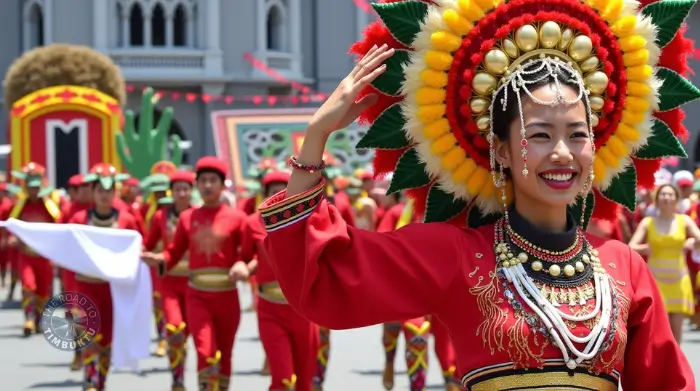
Festival attire leans heavily into Camiguin’s natural palette — think sea blues, volcanic greys, and lush greens. Outfits are often adorned with locally sourced elements that turn the whole island into a runway of resilience and beauty.
A Celebration That Draws the World
From locals to international visitors, San Juan sa Hibok-Hibok has grown into one of the most iconic Philippine festivals in June, attracting everyone from cultural adventurers to eco-conscious travellers.
Travelling solo? This one’s perfect. Warm locals, stunning scenery, and events that encourage community spirit — you’ll feel right at home. Check out my Solo Travel in Thailand Over 50 Guide for tips on when, where, and how to do it right.
More Than a Party
This isn’t just about dancing and water fights. The festival drives eco-tourism, raises awareness about natural conservation, and breathes life into the local economy — all while celebrating a deep-rooted connection to land, sea, and spirit.
Summarising the Festive Eruption
Simply put, San Juan sa Hibok-Hibok Festival is Camiguin’s loud, lush, and joyfully soaked declaration of identity. Among all Philippine festivals in June, it offers something genuinely magical — a spiritual, cultural, and sensory adventure wrapped in island charm and volcanic attitude.
If you’ve ever wanted to be blessed, drenched, fed, and awed in the same weekend — Camiguin is calling.
Pili Festival: Sorsogon’s Nutty June Jubilee
Pili Festival – Sorsogon’s Joyfully Nutty June Celebration
Every June 29th, the lively streets of Sorsogon City explode with flavour, rhythm, and one very special star: the pili nut. Often overlooked at snack time, this local treasure takes centre stage at the Pili Festival, proving once and for all that great things really do come in small, crunchy packages.
Cracking Open the Origins
The festival sprouted from the desire to honour the pili tree, a major source of pride (and economic goodness) for the region. What began as a local toast to agriculture has grown into a full-blown cultural celebration, blending farming roots with joyful revelry.
Why the Nut Gets a Parade
The pili nut isn’t just tasty — it’s a symbol of resilience, resourcefulness, and regional identity. The festival is a vibrant nod to the tree’s importance in Sorsogon’s daily life, economy, and kitchen cupboards.
✈️ Planning a trip to taste the real Philippines? My Trip Planning Tools include hand-picked links for cheap flights, accommodation near the action, and the best nutty food tours you never knew you needed.
Traditions Richer Than Pili Oil
Customs include the ritual blessing of pili trees, nut-cracking competitions, and art installations that showcase just how much personality a humble seed can inspire. Trust Sorsogon to make a tree-to-table journey feel like a block party.

A Shell-Shocking Parade
The streets come alive with floats decorated in pili shells, high-energy dance-offs, and cooking showdowns where chefs battle it out using — you guessed it — the region’s favourite nut. It’s as much reality TV as it is cultural tribute.
The Nut in Every Bite
Food is the beating heart of the Pili Festival, with the nut showing up in candies, curries, pastries, and more. Locals proudly serve up family recipes passed down through generations — a delicious tribute to a crop that does far more than garnish desserts.
If you loved this, you’ll probably go nuts for the Parada ng mga Lechon Festival or Pinangat Festival in Camalig — both bursting with food, flair, and flavour.
Dancing to a Nutty Beat
Music and movement fill the air with a mix of folkloric pride and modern groove. Whether it’s a traditional dance inspired by the harvesting cycle or a hip-hop number about nut farming (yes, really), the spirit is contagious.
Dressed by the Tree
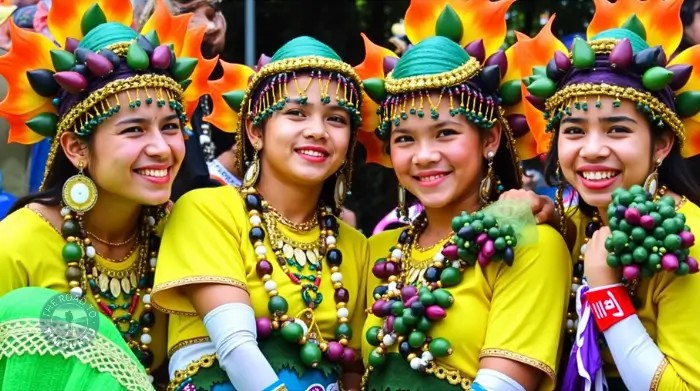
Festival outfits are often inspired by the pili tree itself — earthy tones, natural fibres, and designs that reflect agricultural life. It’s fashion with a message, celebrating sustainability and rooted beauty.
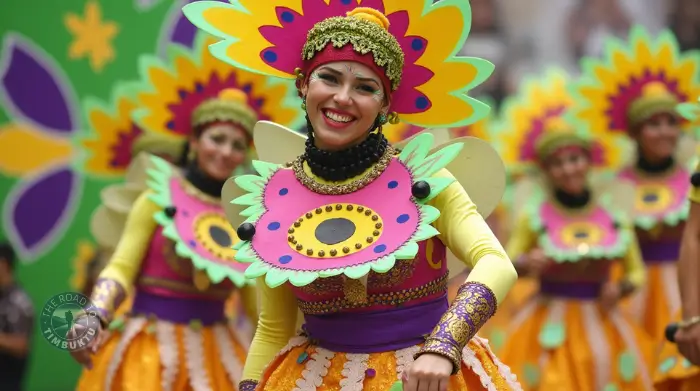
A Gathering Worth Shelling Out For
Once a modest hometown celebration, the Pili Festival has grown into a nationally recognised event, drawing everyone from foodies and culture buffs to curious travellers with a taste for the unique.
Beyond the Crunch
This isn’t just about snacks and dancing — the festival drives local tourism, shines a spotlight on pili nut industries, and unites the community around a shared identity that’s both humble and powerful.
Wrapping Up the Nuttiness
In short, the Pili Festival is Sorsogon’s deliciously eccentric love letter to a tree that nourishes bodies, communities, and culture. Among all Philippine festivals in June, this one is a celebration of resourcefulness, joy, and — yes — going gloriously nuts.
If you’ve ever underestimated a nut, this festival will change your mind.
Sagayan Festival: A Dance of Valor and Vibrance

Sagayan Festival – Where History Wields a Sword and Breaks into Dance
Between June 28th and July 2nd, the streets of Tubod, Lanao del Norte, come alive with colour, rhythm, and a good dose of warrior flair during the Sagayan Festival. This isn’t your average cultural parade — it’s a swirling, thundering tribute to valour, legend, and the indomitable spirit of the Maranao people.
A Leap Through Time (With a Sword in Hand)
The festival pays homage to Prince Bantugan, a legendary Maranao hero famed for his strength, honour, and suspiciously flawless hair. His story — filled with battles, soul-rescuing journeys, and political drama — reads like a Southeast Asian epic with a mythological twist.
Sagayan Festival brings his legacy to life, turning oral history into actual choreography.
Dancing Through Generations
At the heart of the celebration is the Sagayan dance, a powerful performance originally used to prepare for battle and ward off evil spirits. Today, it’s a show of cultural pride and martial grace, with dancers wielding shields and swords in synchronised movements that are somehow both fierce and poetic.
A Living Tapestry
The festival spills into the streets with a grand parade, dance competitions, and traditional martial displays, all drenched in colour and history. This is not just a spectacle — it’s a living museum, told in steps and beats instead of plaques and pamphlets.

Fuel for the Fierce
While it’s not a food festival per se, the local Maranao cuisine makes a proud appearance — offering a taste of warrior sustenance, from turmeric-laced rice dishes to sticky sweets that give you just enough energy to twirl a shield.
The Pulse of Lanao del Norte
Music is provided by the kulintang, a traditional ensemble of gongs and drums that provide the haunting, hypnotic rhythm to each Sagayan performance. It’s ancestral energy, channelled through sound, and it’s impossible not to feel moved — even if you’re just watching from the sidelines.
Threads of Ancestry
Participants don traditional Maranao attire, featuring rich colours, detailed embroidery, and fabric that reflects tribal symbolism. It’s not just for show — it’s heritage, worn with pride.
From Local Legend to National Stage
Sagayan Festival has grown into a cultural gem that attracts curious travellers, history lovers, and dance enthusiasts from all over the country — and beyond. It’s proof that storytelling, when danced with purpose, is universally magnetic.

More Than Just a Performance
Beyond the costumes and choreography, the Sagayan Festival boosts Tubod’s economy, strengthens community identity, and offers younger generations a direct link to their cultural past — through movement, art, and shared pride.
Wrapping Up the Warrior Waltz
In short, Sagayan Festival is a masterclass in honouring the past through performance. Among all Philippine Festivals in June, it’s a uniquely powerful blend of myth, movement, and memory — an open invitation to feel the heartbeat of a culture through the stomp of its warrior dance.
It’s not just a celebration; it’s a cultural call to arms — delivered with rhythm, style, and the echo of ancestral pride.
Wrapping Up June’s Festive Frenzy of Philippine Festivals
If there’s one thing June in the Philippines proves, it’s that there’s no such thing as too much celebration. From pineapples and pili nuts to swords, seafood, volcanoes, and spiritual splashdowns, this month-long fiesta calendar is a masterclass in culture, community, and very creative costumes.
Whether you’re into culinary chaos, heritage parades, or festivals that involve being soaked and blessed in the same five minutes, there’s a corner of the Philippines waiting to welcome you with open arms and possibly a snack.
These aren’t just events on a calendar — they’re living, breathing stories of local pride, passion, and pinoy ingenuity. And if you’re travelling solo, over 50, or just love exploring places with soul, these festivals are your perfect excuse to dive in.

Plan Your Philippine Festival Adventure
🛠️ Handy Travel Tools I Personally Find Useful

Here’s what I use myself — no fluff, no clickbait, just genuinely useful tools:
Flights – Booking.com or (Going.com – USA departures)
Hotels/Resorts/Guesthouses/Boutique Stays
Hostels with Private Rooms
Airport Transfers – Car Rental
Pre-book Entry Tickets, Tours & Activities
Travel Essentials
eSIM & SIMs
Travel Insurance
Asia: Buses/Taxis/Ferries
Train & Bus Tickets (over 80 countries)
View the full list of travel resources on my Trip Planning Tools Page.
Image Disclaimer: Many of the images featured in this post are visual representations created to enhance colour, atmosphere, and artistic appeal. While some images may have been adjusted for vibrancy, they remain true to the spirit and cultural essence of the actual events depicted.
🌐 Helpful Travel Advisory & Visa Links
Whether you’re preparing your documents, triple-checking visa rules, or just having a “do I need a photo for this?” moment, these official links will steer you in the right direction. Below are reliable resources for travel advisories and visa applications—perfect for solo travellers over 50 who prefer peace of mind with their passport stamps.
Travel Advice for Most English-Speaking Countries Including EU
- 🇺🇸 U.S. Department of State – Travel Advisories
Safety updates and travel alerts for U.S. citizens. - 🇬🇧 UK Foreign, Commonwealth & Development Office – Travel Advice
Destination-specific advice for British nationals. - 🇨🇦 Government of Canada – Travel Advice and Advisories
Travel guidance and emergency info for Canadians. - 🇦🇺 Australian Government – Smartraveller
Travel safety tips and alerts for Australians abroad. - 🇪🇺 European Commission – Travel Advice Portal
Travel updates and border info for EU travellers.
Visa Information for Asian Countries
- 🇱🇦 Laos – Official E-Visa Website
- 🇹🇭 Thailand – Official Thai E-Visa Website (TDAC)
- 🇮🇩 Indonesia – Official e-Visa Website
- 🇸🇬 Singapore Visa Services (via VFS Global)
- 🇻🇳 Vietnam – Official e-Visa Application Portal
- 🇵🇭 Philippines – Bureau of Immigration (Visa Info)
- 🇰🇭 Cambodia – Official E-Visa Application Site
- 🇮🇳 India – Official Visa Application Portal
- 🇪🇬 Egypt – E-Visa Application Portal
Thanks for exploring The Road to Timbuktu — and here’s to many more stamps in your passport! 🌎✈️